
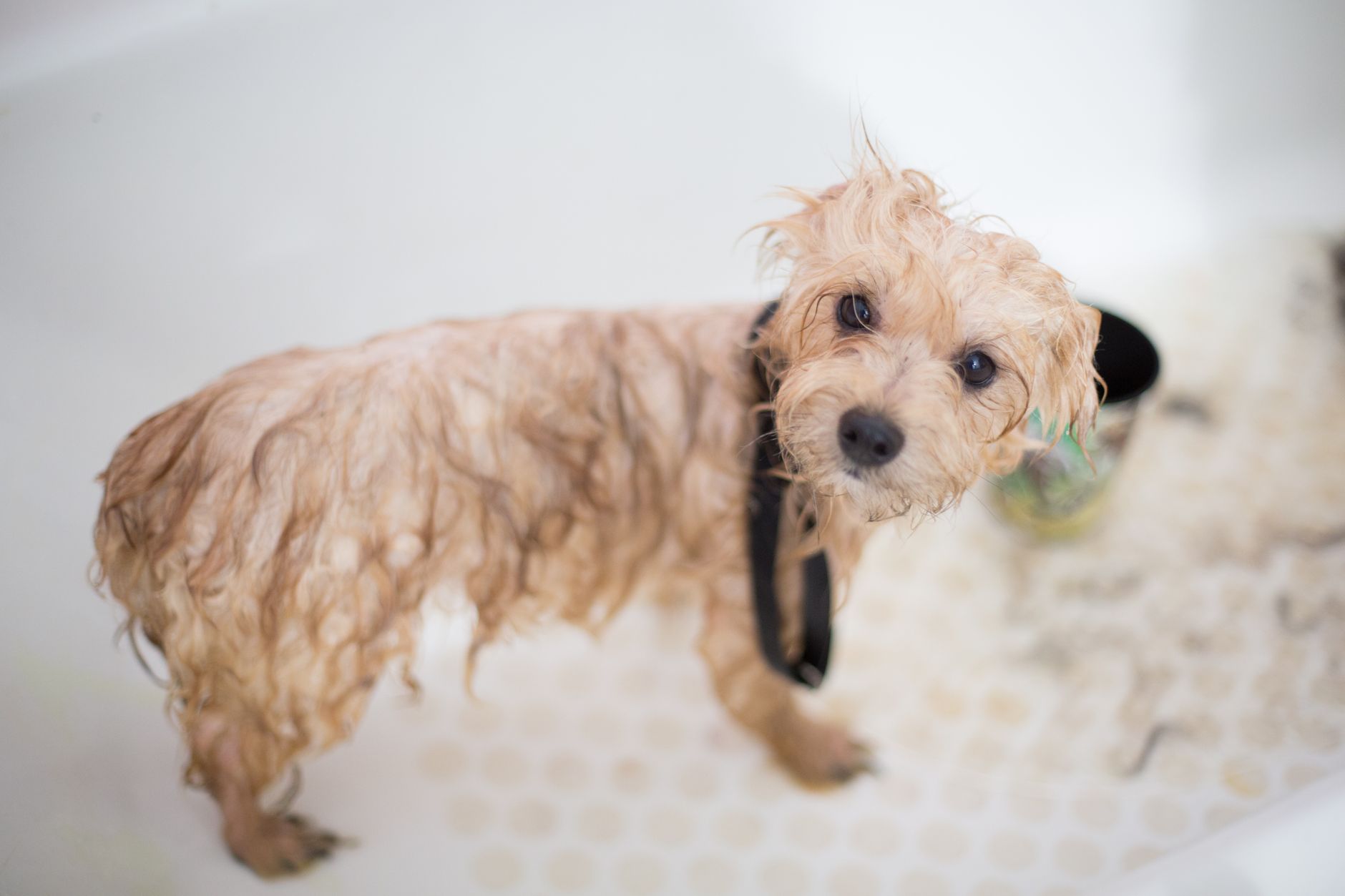
A grooming appointment goes more smoothly when your groomer knows what helps your pet feel comfortable and what care their coat needs. Before the first trim or bath, share practical details about brushing, sensitive areas, health concerns, and past experiences. You do not need a perfect grooming vocabulary. A few specific examples—such as “please avoid the ears” or “she gets nervous around dryers”—can help your groomer plan a gentler, safer visit.
Explain Coat Care and Your Goals
Describe your pet’s usual brushing routine and any spots that tangle or mat easily. Mention how often you brush, which tools you use, and whether your pet tolerates brushing in particular areas. If you have noticed mats, tell the groomer where they are rather than trying to hide them; they can assess the coat and explain the safest way to proceed.
Be clear about the result you want, using photos if that is easier. Explain how much length you want to keep, whether you prefer a rounded or natural look, and how you want the face, feet, and tail finished. If coat condition or comfort makes your preferred style impractical, ask the groomer to discuss options before removing more length than expected.
Share Handling Preferences
Tell the groomer what your pet finds stressful or soothing. Useful details include reactions to being lifted, having paws touched, standing on a table, hearing clippers, or being near other animals. Share what has helped at home, such as short breaks, a calm voice, or letting your pet approach a tool before it is used.
Mention any known triggers and signs that your pet needs a pause. These may include pulling away, panting, trembling, growling, or becoming unusually still. Do not describe a warning sign as bad behavior; it gives the groomer information to adjust handling and protect everyone. Ask how the salon will contact you if your pet becomes too distressed to continue.
Disclose Health and Safety Needs
Tell the groomer about health conditions, recent injuries or surgeries, skin irritation, allergies, and any areas that are painful to touch. Share relevant veterinary instructions, especially limits on standing, positioning, water temperature, or products. If your pet takes medication, explain any effects that could matter during grooming, such as drowsiness or balance problems.
Also mention parasites, contagious conditions, or changes in your pet’s health since the last visit. Ask before bringing a pet with a new symptom, since the salon may recommend checking with your veterinarian first. Keep emergency contact information current and make sure the groomer knows how to reach you during the appointment.
Describe Past Grooming Experiences
Summarize how your pet responded to previous baths, haircuts, nail trims, and drying. Explain what went well, what was difficult, and whether a particular tool or step caused fear or discomfort. If this is your pet’s first professional appointment, say so; the groomer can set realistic expectations and focus on a calm introduction rather than rushing through every service.
Tell the groomer about any previous nicks, skin reactions, difficult mat removal, or unfinished appointments. Include what happened afterward and whether a veterinarian provided guidance. At Nashville Gentle Grooming, owners can share these details when booking or at drop-off so the team can plan care around the pet’s needs.
A useful grooming handoff covers your pet’s coat, comfort, health, and history. Share specific observations, ask questions about the plan, and speak up if your pet’s needs change. A little preparation helps your groomer make informed choices and gives your pet a more comfortable appointment. Before your next visit, jot down key details to bring along.